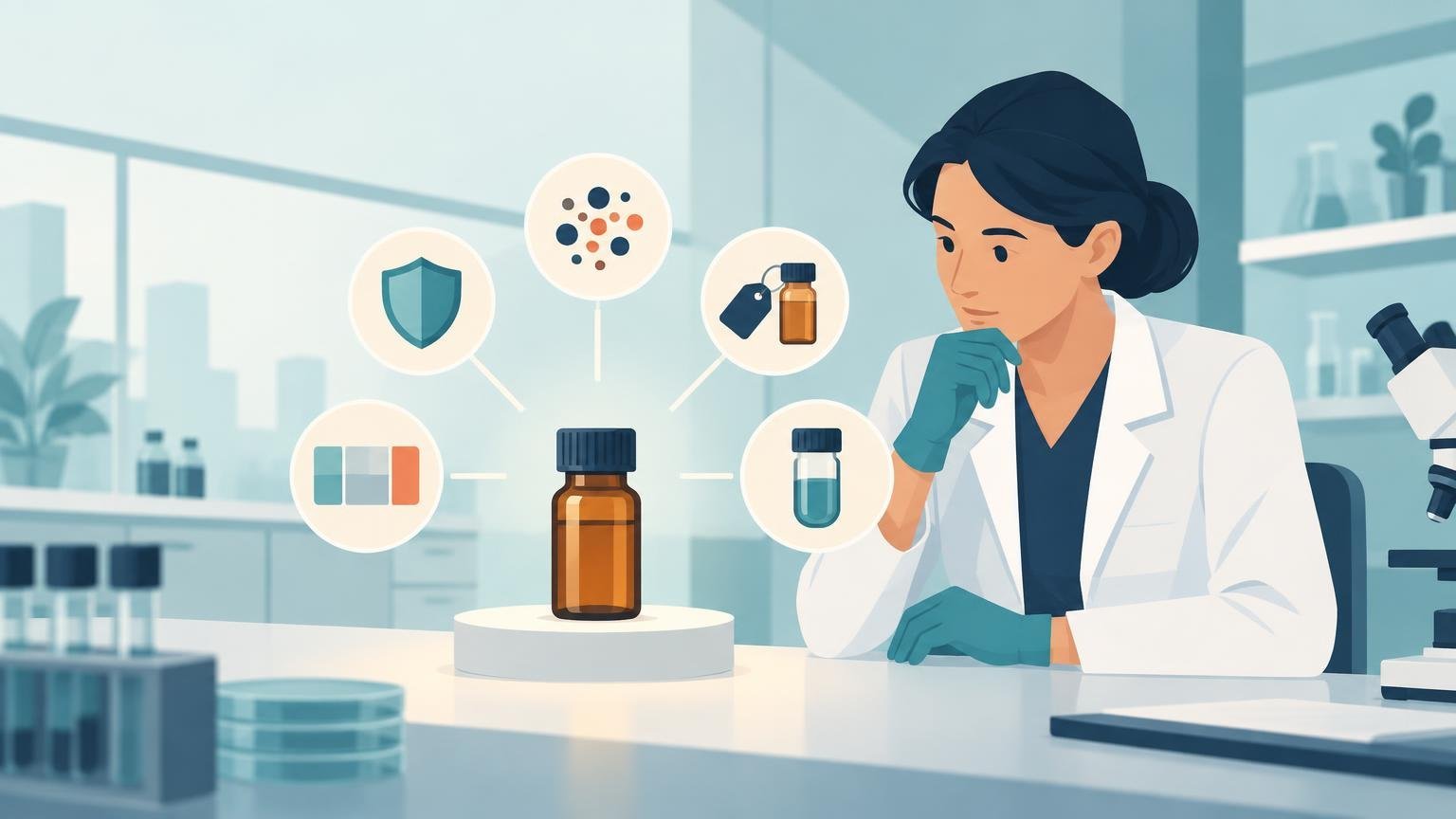
Understanding HPLC Testing for Peptides: How It Works and How to Read the Results

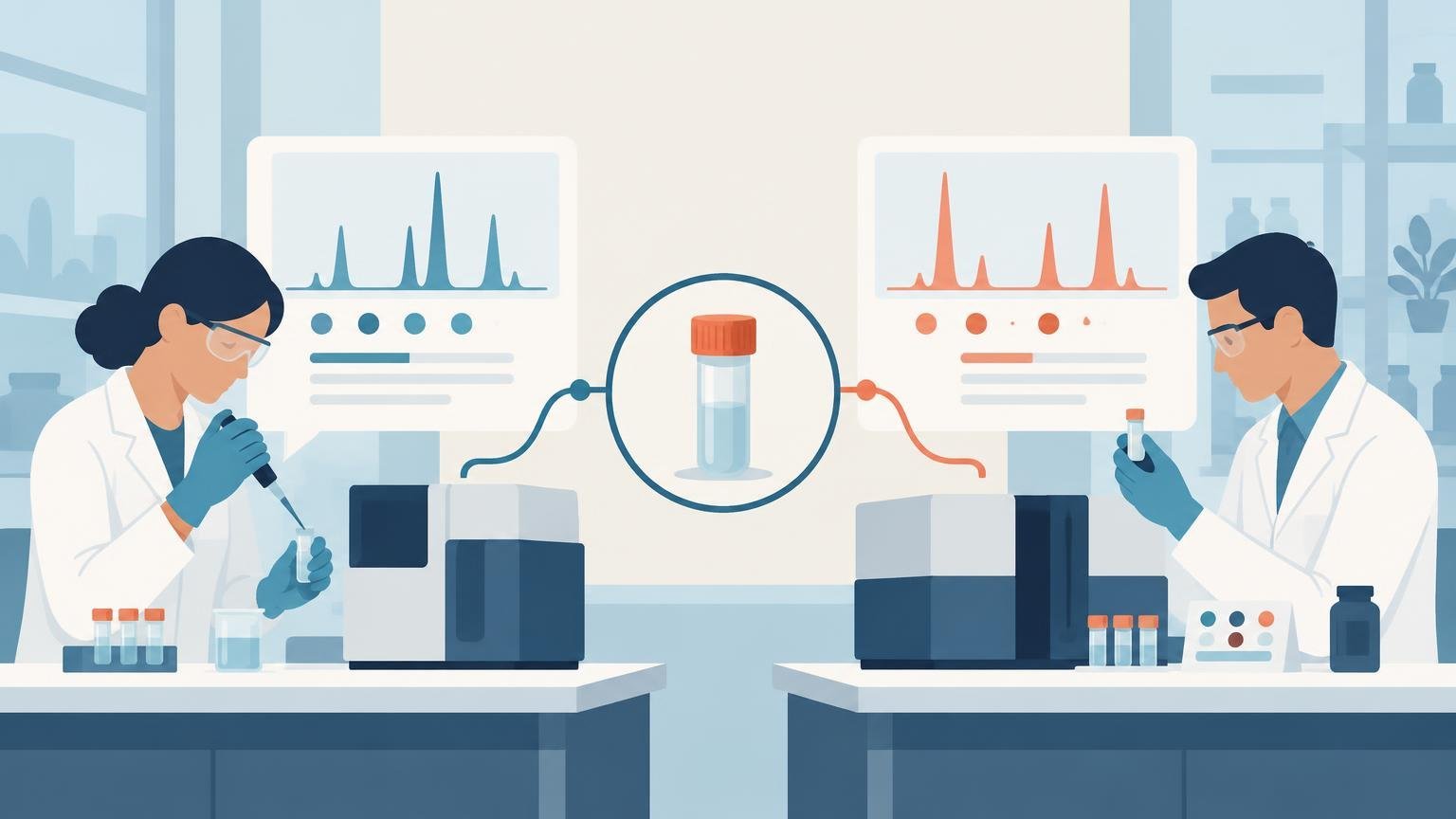
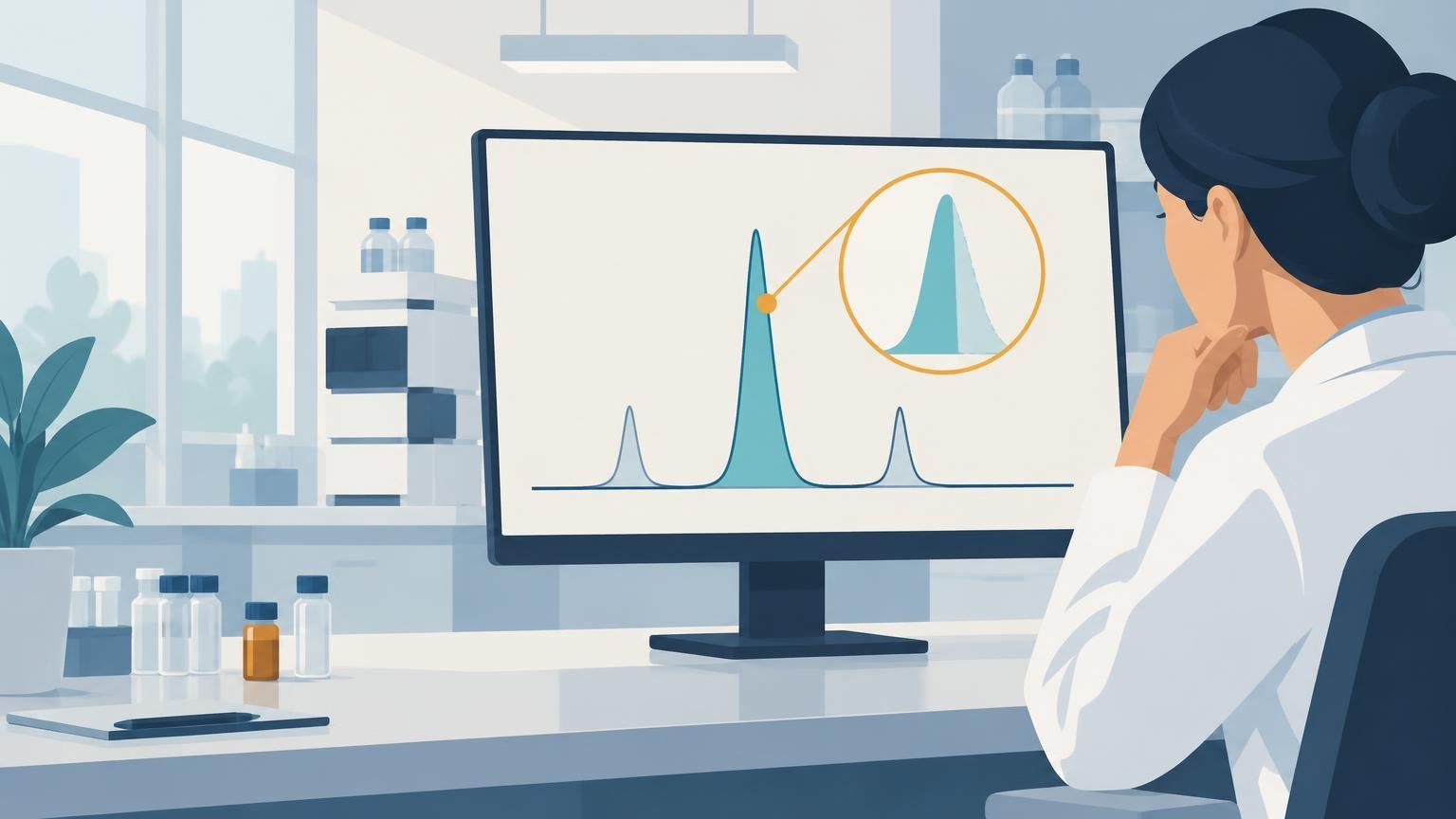
TLDR HPLC is one of the first tests people encounter when looking at peptide analytical data. A certificate of analysis may list something like: Purity by HPLC: 99.3% That looks simple enough. But the number only becomes meaningful when you understand how HPLC testing works, what was actually detected, and whether the analytical method was … Read more

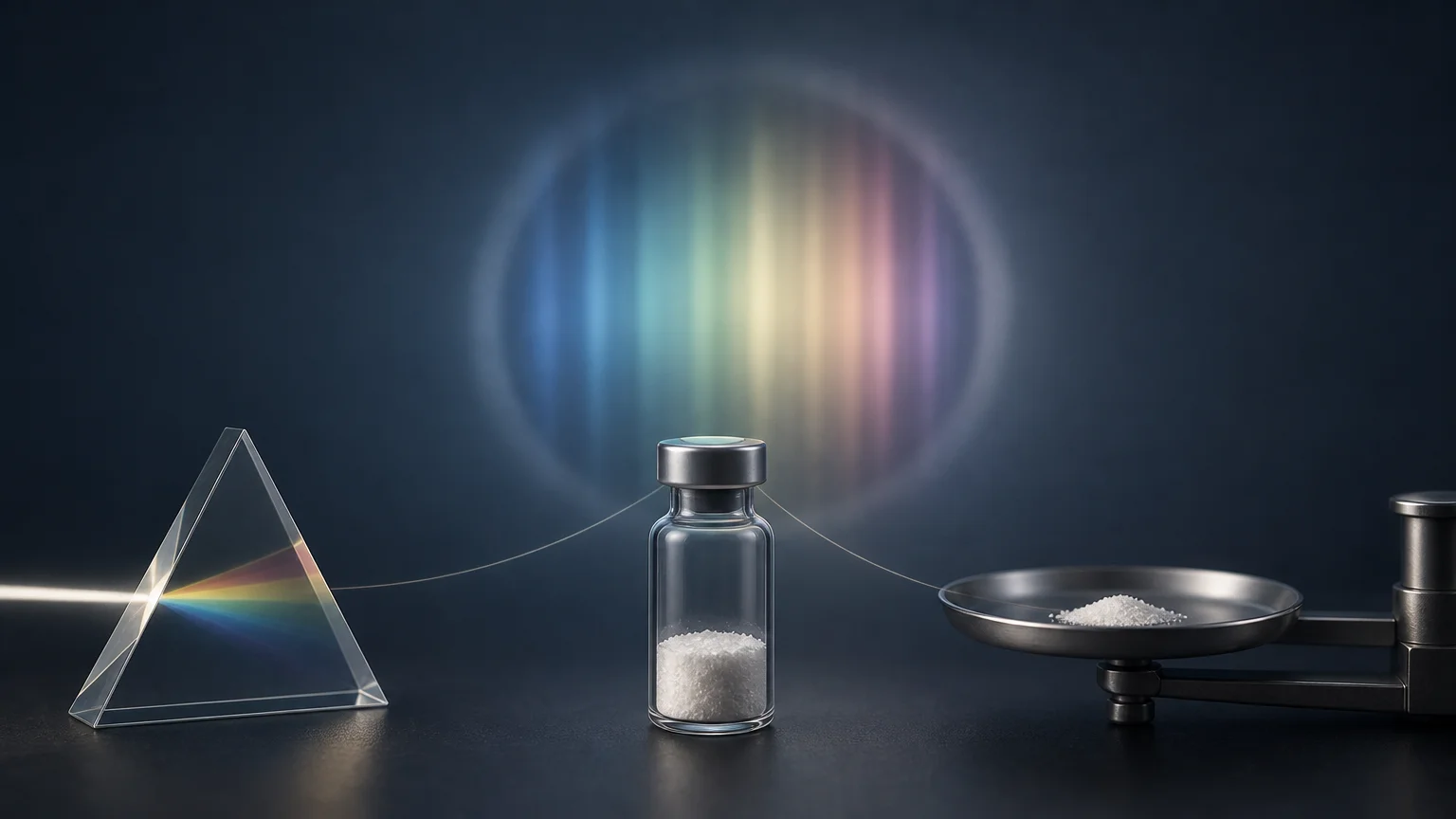
How Peptide Purity Is Measured: HPLC, LC-MS, and What Purity Percentages Actually Mean

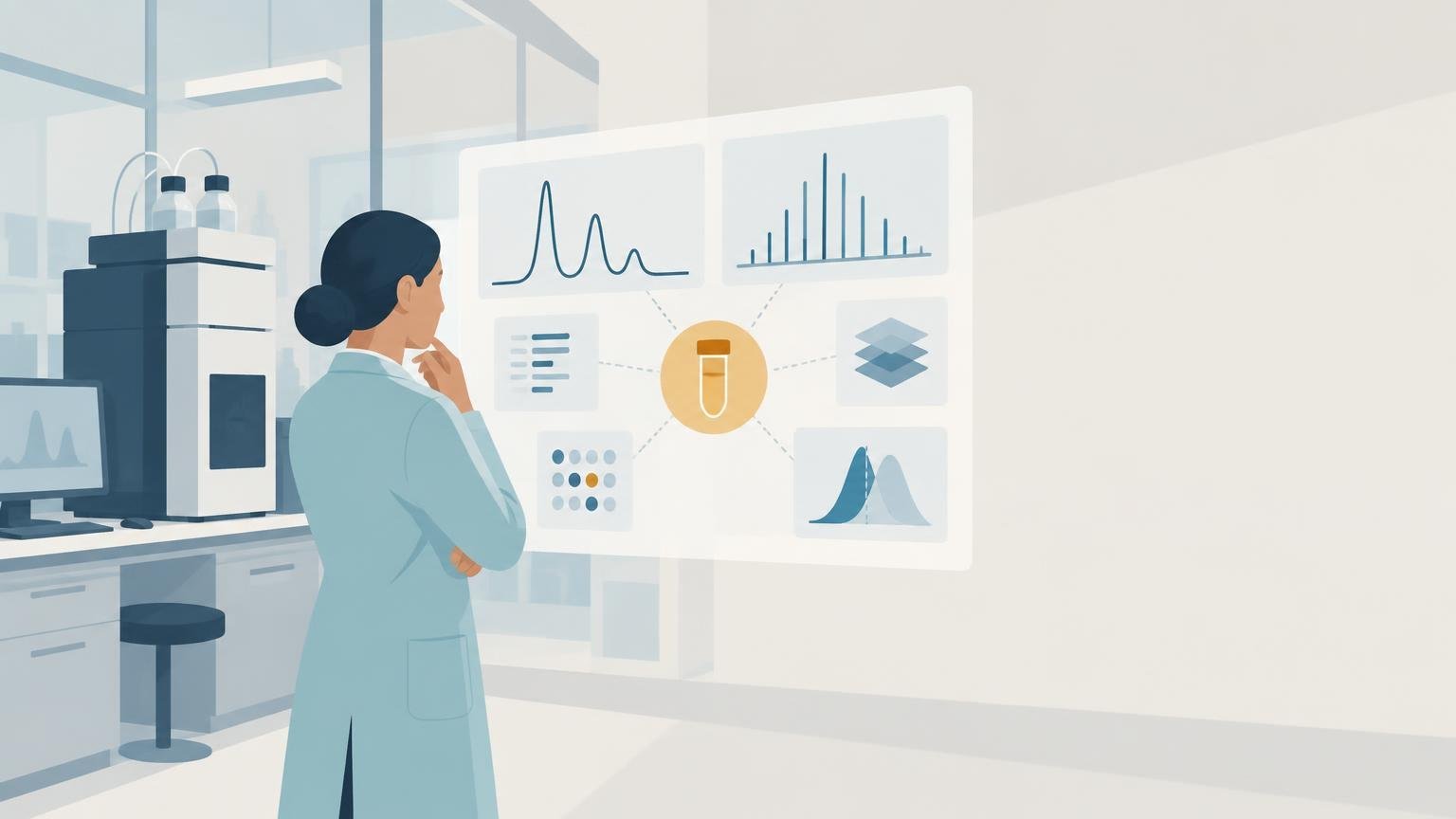
TLDR A number such as “99% purity” sounds straightforward. In peptide chemistry, it is not. Peptide purity can refer to different analytical measurements, and the meaning of the percentage depends heavily on how it was determined. A chromatographic result, molecular-weight confirmation, peptide-content measurement, water test, and biological assay all provide different information. Understanding peptide purity … Read more

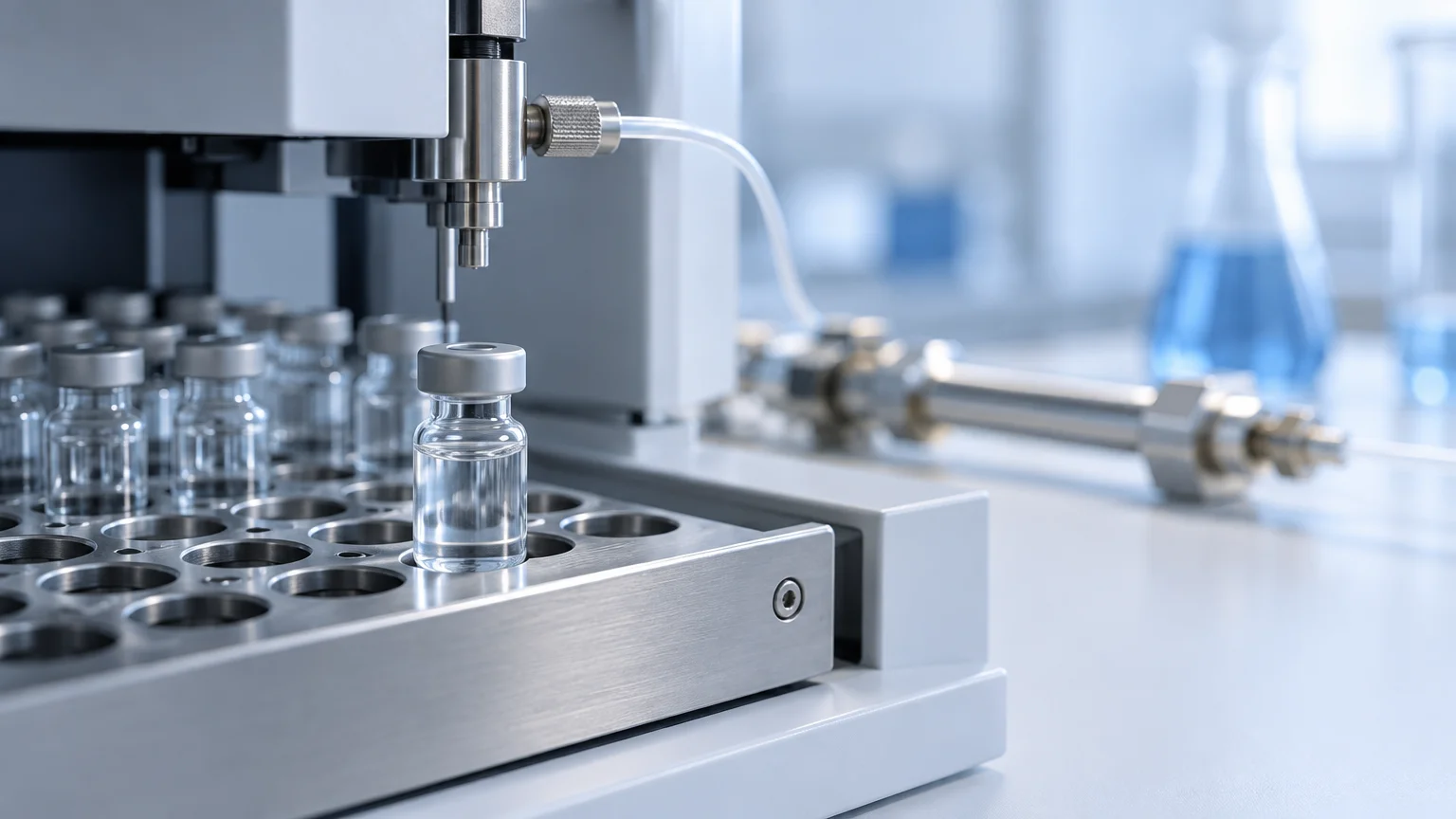
HPLC vs. LC-MS in Peptide Analysis: What Each Method Actually Tells You

TLDR Should peptide analysis use HPLC or LC-MS? The best scientific answer is often both. That is partly because the usual HPLC vs. LC-MS comparison is somewhat misleading. LC-MS still uses liquid chromatography. The main difference is what happens after the separated compounds leave the column. In conventional peptide HPLC, compounds are often measured with … Read more